Voice-Activated Assistive Devices: Simplifying Daily Tasks
Wiki Article
A Guide to Life-altering Assistive Technology for the Blind and Aesthetically Damaged
The advancement of assistive technology has ushered in a transformative era for individuals who are blind or visually impaired, offering tools that improve autonomy and enhance everyday experiences. Advancements such as smart navigating tools and AI-driven applications are redefining just how customers connect with their environments, while obtainable analysis options and wise home technologies promise to additional raise the top quality of life.Smart Navigating Equipment

Smart navigating tools are reinventing the method individuals that are visually damaged or blind communicate with their atmosphere. These advanced modern technologies, which integrate general practitioners, audio feedback, and haptic signals, supply users with important information concerning their surroundings, improving their freedom and wheelchair.
One noticeable example is making use of smart walking sticks outfitted with sensors that find obstacles and supply real-time responses through vibrations or audio signs. These devices allow individuals to browse complex atmospheres, such as active roads or crowded public spaces, with boosted self-confidence. Additionally, wearable devices, such as wise glasses, are being created to aid in recognizing faces, checking out message, and recognizing things, further enhancing the customer's spatial recognition.
Furthermore, smart navigation tools are progressively including fabricated intelligence to analyze data and adapt to individuals' preferences. This individualized technique not just boosts navigating performance but also fosters a sense of empowerment among users. As technology continues to advancement, the capacity for clever navigation tools to create a more accessible and comprehensive globe for individuals who are aesthetically damaged or blind continues to be appealing, eventually reshaping their daily experiences and interactions.
Innovative Mobile Applications
Mobile applications are becoming effective tools for assisting people that are blind or aesthetically damaged, providing a range of performances that boost daily living. These applications harness progressed modern technology to assist in daily tasks, boost access, and promote independence.One group of cutting-edge mobile applications focuses on aesthetic acknowledgment. Applications like Be My Eyes link users with sighted volunteers using video calls, allowing real-time support for tasks such as reviewing labels or browsing unknown environments. Apps like Seeing AI make use of synthetic knowledge to describe environments, read message, and identify objects, providing customers with important information at their fingertips.
One more substantial area is navigation and orientation. Applications such as Aira and Nearby Traveler give audio support, aiding individuals browse city spaces effortlessly. They supply customized help, permitting a more positive expedition of the atmosphere.
Moreover, health and wellness and health applications satisfy certain demands, such as medication administration and health and fitness monitoring. These applications aim to promote an all natural strategy to well-being, guaranteeing that customers can keep their health independently.
Wearable Assistive Gadgets
Wearable assistive gadgets stand for a substantial advancement in technology developed to support individuals who are blind or visually impaired. These gadgets improve wheelchair and self-reliance by supplying real-time responses concerning the surrounding setting. Amongst one of the most significant wearable modern technologies are wise glasses furnished with cams and sensing units, which can determine obstacles and relay important info through audio signs.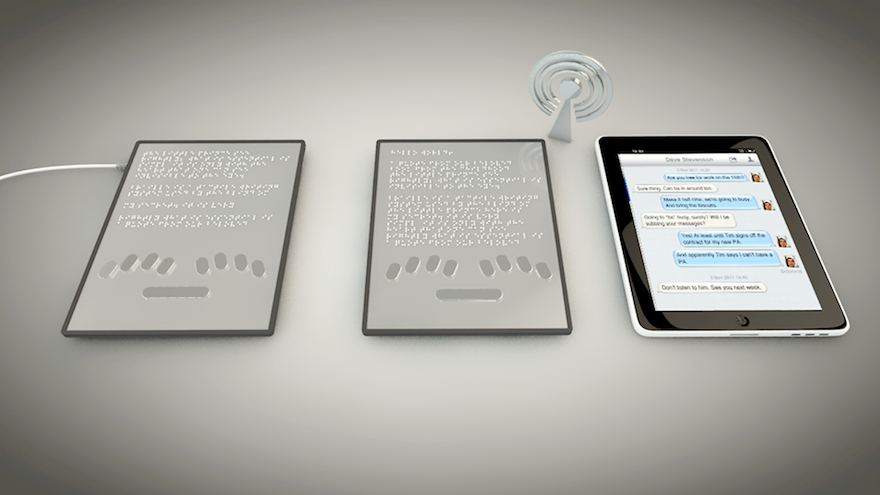
One more cutting-edge alternative consists of wrist-worn tools that utilize ultrasonic waves to spot challenges and supply navigational help. These tools usually come with customizable settings, allowing users to tailor the alerts to their particular needs.
The integration of synthetic intelligence in wearable assistive technology is also noteworthy, as it constantly improves the accuracy and responsiveness of these tools. On the whole, wearable assistive tools are changing the lives of the blind and aesthetically damaged, fostering better freedom and boosting lifestyle with ingenious remedies.
Obtainable Reviewing Solutions
Easily accessible reading services play an important role in enabling people that are aesthetically impaired or blind to engage with message throughout different layouts. These options include a variety of modern technologies and tools created to boost analysis experiences, from traditional print products to electronic content.One prominent solution is Optical Personality Recognition (OPTICAL CHARACTER RECOGNITION) innovation, which converts published text right into digital layout, allowing customers to listen to or review the material using display readers. Furthermore, specialized e-readers geared up with text-to-speech capacities provide personalized reading experiences, making it possible for individuals to readjust font sizes and history colors for enhanced presence.
One more reliable method is braille display screens, which provide responsive feedback by converting electronic text into braille. This permits individuals to review touch, fostering higher freedom and access to literary works. Mobile applications created for reviewing scanned papers or publications can equip individuals with instantaneous accessibility to a vast library of materials (Screen readers for the blind).

Smart Home Technologies
Smart home modern technologies have changed the method people who are blind or aesthetically impaired communicate with their living settings, enhancing both self-reliance and safety and security. These ingenious options leverage automation and connectivity to develop an accessible space customized to the needs of individuals.Smart audio speakers and voice-activated assistants offer hands-free control over numerous tools, allowing individuals to readjust temperature, illumination, and protection steps with basic voice commands. This capability decreases reliance on sighted assistance and fosters a sense of autonomy. Additionally, smart lighting systems can be personalized to provide auditory feedback or tactile cues, allowing individuals to navigate their homes much more efficiently.
Furthermore, safety systems furnished with wise video cameras and sensors can send real-time alerts to users, boosting individual safety and security without requiring visual confirmation. Automated door locks offer satisfaction, enabling users to secure their homes easily.
Incorporating wise home innovations not only boosts day-to-day living however also encourages social communication with connected devices - Speech-to-text devices for low vision. With continuous developments in assistive technology, the future shows up promising, as even more options will arise to additional encourage individuals who are blind or aesthetically impaired, making certain a much more independent and comprehensive lifestyle
Verdict
To conclude, the developments in assistive modern technology for the visually damaged and blind stand for a significant leap towards boosting self-reliance and top quality of life. Smart navigation tools, ingenious mobile applications, wearable tools, accessible reading options, and clever home modern technologies collectively foster an inclusive atmosphere. This assimilation of modern technology not only improves movement and everyday living however Smart glasses for the visually impaired likewise encourages people to involve totally with their environments, promoting greater autonomy and participation in society.
Developments such as smart navigating devices and AI-driven applications are redefining just how users connect with their surroundings, while available analysis solutions and clever home technologies guarantee to more boost the top quality of life. As modern technology proceeds to breakthrough, the capacity for wise navigation tools to produce a more obtainable and inclusive world for people who are aesthetically impaired or blind remains promising, inevitably improving their everyday experiences and interactions.
Wearable assistive devices stand for a substantial improvement in innovation designed to sustain people who are visually impaired or blind. Amongst the most significant wearable technologies are clever glasses outfitted with cams and sensors, which can identify barriers and relay vital info through sound cues.
Smart navigating tools, innovative mobile applications, wearable gadgets, available analysis options, and smart home modern technologies collectively cultivate an inclusive setting.
Report this wiki page